Fish guide prioritized for East Asia.
Browse published fish with real images, identification points, water type, and cautious local context. Region changes the order, not the search scope.
Selected region
Carp, crucian carp, snakehead, trout, sea bass, and coastal species are prioritized.
Set by region filter
Showing 12 of 1045 published fish
Page 2 of 88
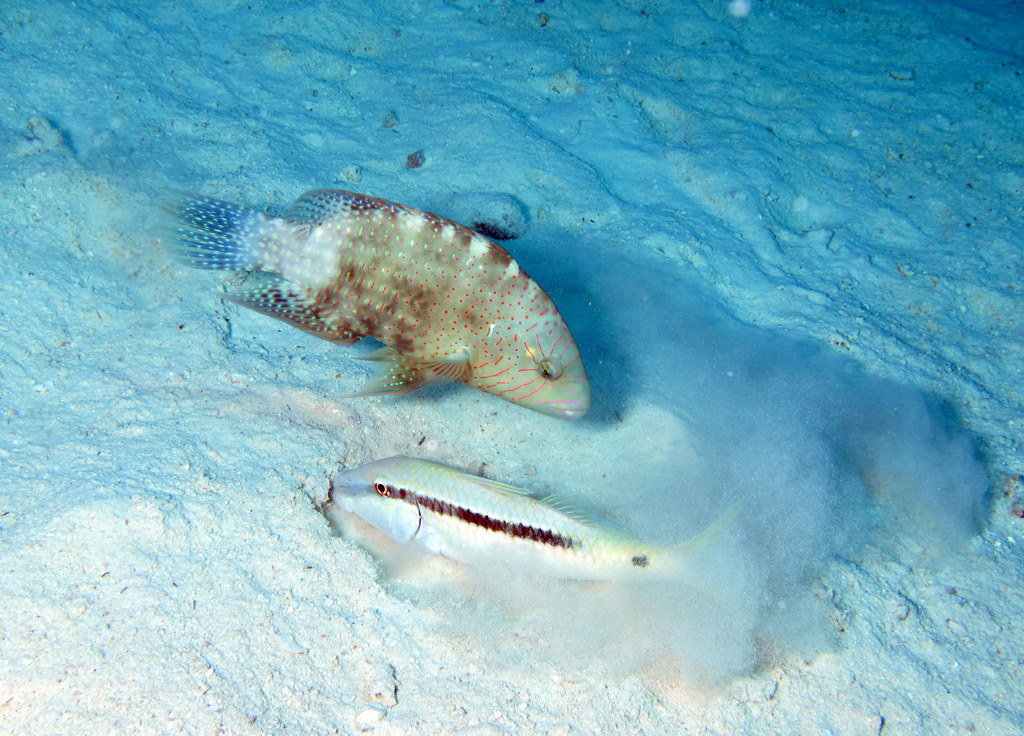
Abudjubbe Wrasse
Cheilinus abudjubbe
Cheilinus abudjubbe, the Abudjubbe wrasse, is a species of ray-finned fish from the family Labridae, the wrasses. It is found in the western Indian Ocean and the Red Sea. This species was formally described by Eduard Rüppell in 1835, no type locality was given but it is thought to have been Jeddah. This taxon is regarded as a synonym of the tripletail wrasse by some authorities.
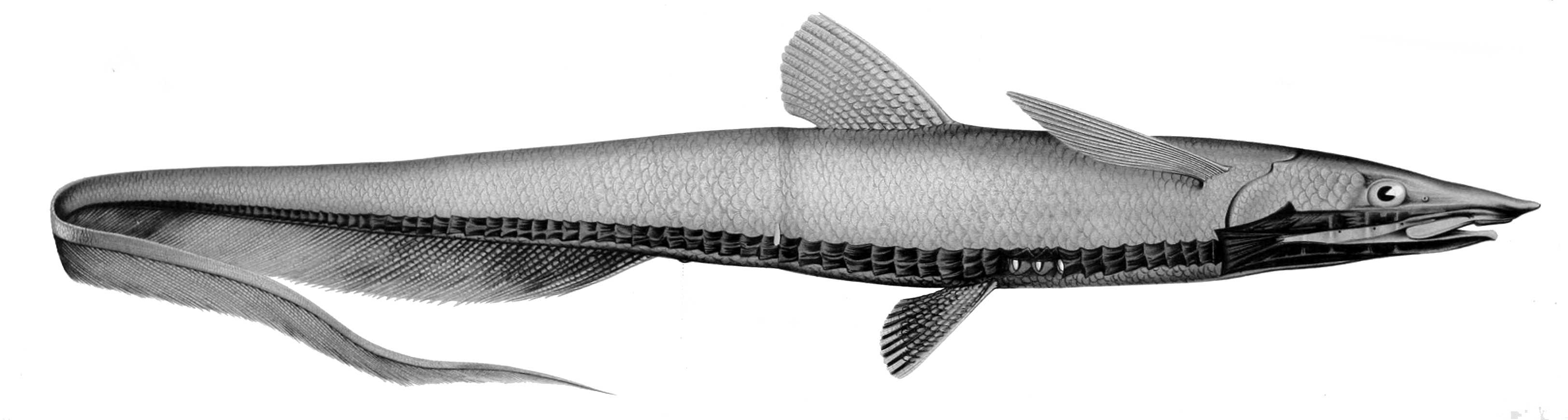
Abyssal halosaur
Halosauropsis macrochir
The abyssal halosaur is a species of bottom-dwelling, deep-sea fish in the family Halosauridae that is found in all oceans at depths from 1100 to 3500 meters. It is the only member of its genus.
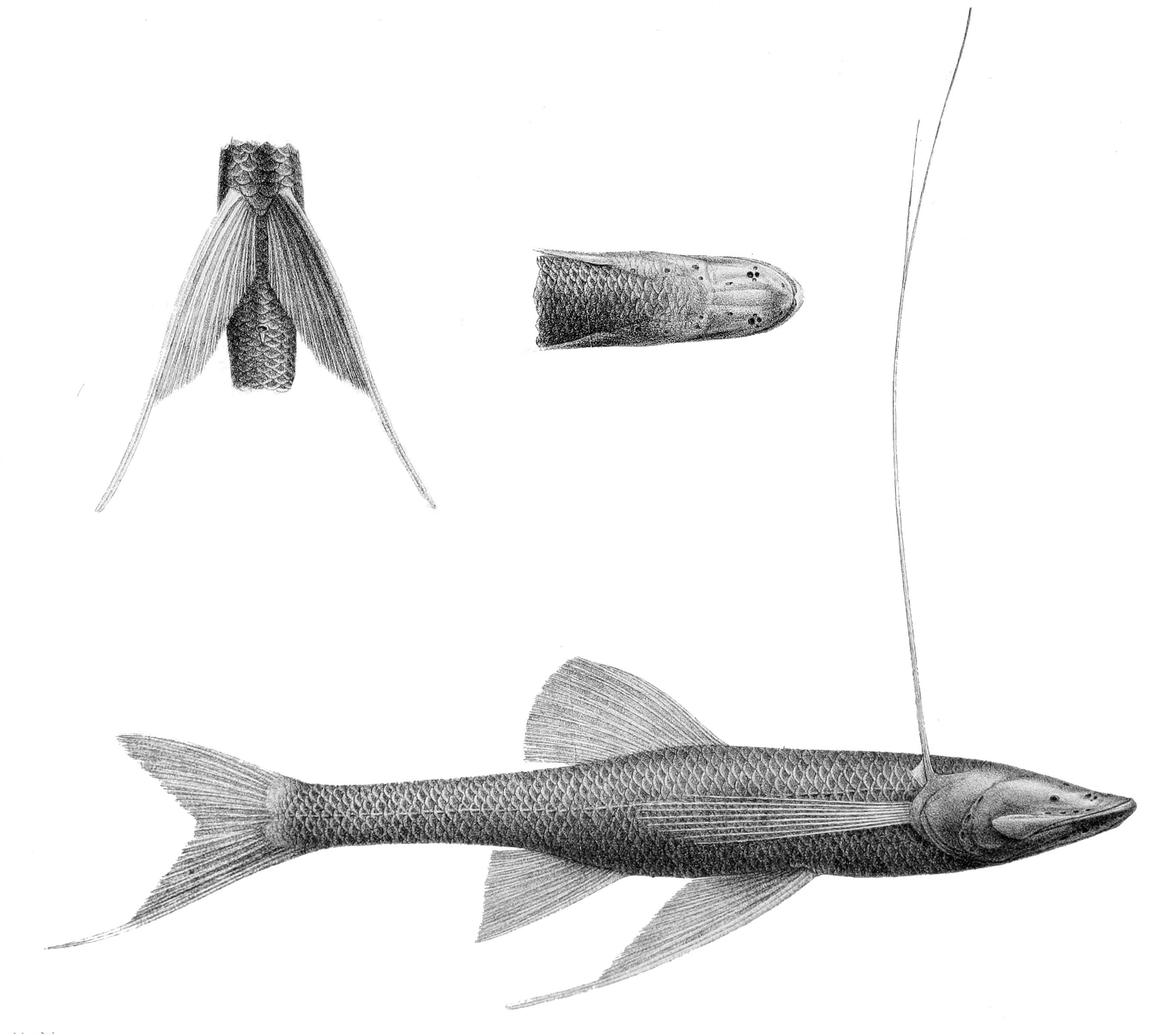
Abyssal Spiderfish
Bathypterois longipes
The abyssal spiderfish, Bathypterois longipes, is a species of deepsea tripod fish, a demersal fish living on the bottom of the Atlantic Ocean, even on the abyssal plain. It is one of the deepest-dwelling fish known.
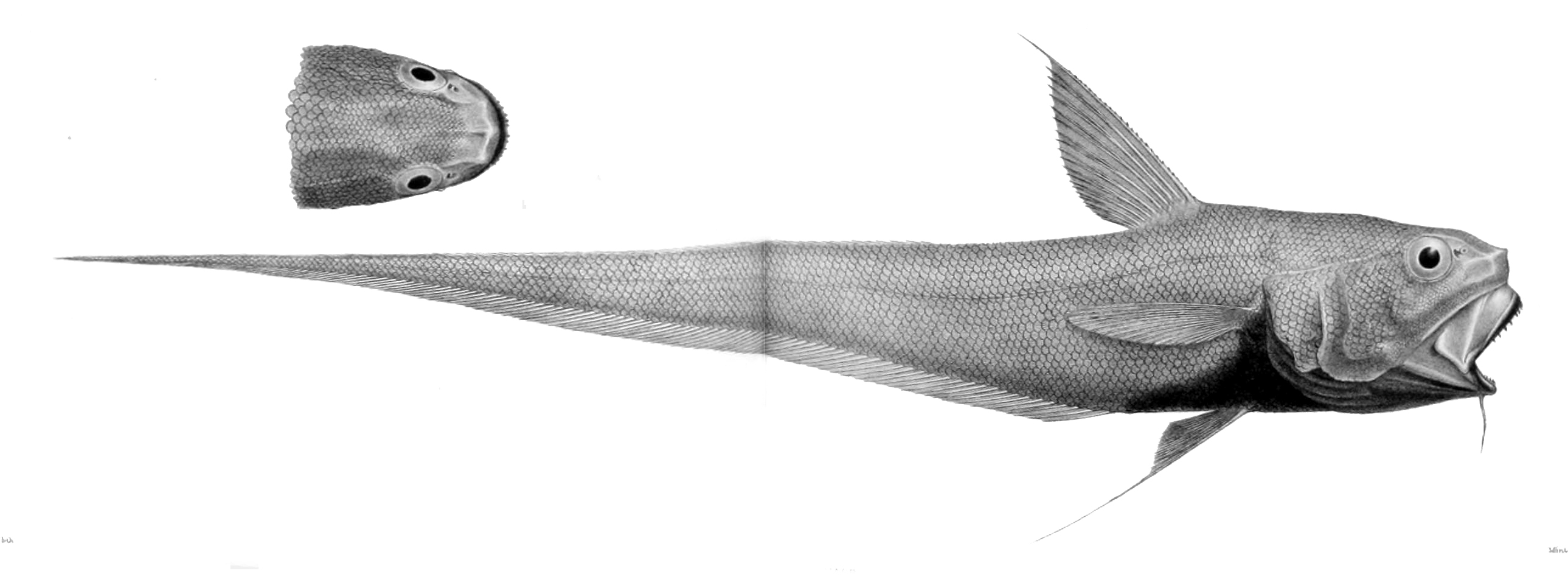
Abyssal Whiptail
Coryphaenoides murrayi
The abyssal rattail, Coryphaenoides murrayi, is a species of rattail found around southern Australia, Fiji, and the east coast of New Zealand at depths of between 1,196 to 2,350 metres. Its reaches a length of 37 centimetres (15 in) TL.
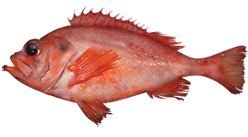
Acadian Redfish
Sebastes fasciatus
The Acadian redfish, also known as the Atlantic redfish, Acadian rockfish, or Labrador redfish, is a species of marine ray-finned fish belonging to the subfamily Sebastinae, the rockfishes, part of the family Scorpaenidae. It is native to the deep waters of the northwestern Atlantic.

Acapulco Major
Stegastes acapulcoensis
Acapulco major è un castagnola che si trova sulle barriere coralline e le scogliere rocciose del Pacifico orientale, in particolare intorno al Messico e alle isole al largo vicine. È territoriale e tipicamente pascola sulle alghe vicino al suo rifugio, quindi non è un bersaglio principale per i pescatori.

Pesce tigre africano
Hydrocynus vittatus
Il pesce tigre africano (Hydrocynus vittatus) è un caracide predatore veloce e aggressivo, noto per attacchi esplosivi e corse potenti. Abita grandi fiumi e laghi di pianura alluvionale in gran parte dell'Africa meridionale e centrale.

Alabama Bass
Micropterus henshalli
L'Alabama Bass (Micropterus henshalli) è un persico trota nero nativo del bacino del fiume Mobile, strettamente correlato al persico macchiato. Predilige corsi d'acqua da limpidi a moderatamente torbidi, invasi e acque di coda con coperture rocciose, legnose e spondali.

Alosa falsa
Alosa pseudoharengus
L'alosa falsa è un piccolo clupeide anadromo che trascorre gran parte della sua vita in acque salate costiere o grandi laghi e risale i fiumi per riprodursi. È un importante pesce foraggio e viene comunemente catturato accidentalmente dai pescatori sportivi.

Lepisosteo alligatore
Atractosteus spatula
Il lepisosteo alligatore è un grande pesce osseo antico dei fiumi lentici, delle anse morte e dei laghi di pianura alluvionale nel bacino del Mississippi e nei vicini sistemi costieri. Caccia i pesci in agguato in superficie e può respirare aria, permettendogli di sopravvivere in acque povere di ossigeno.
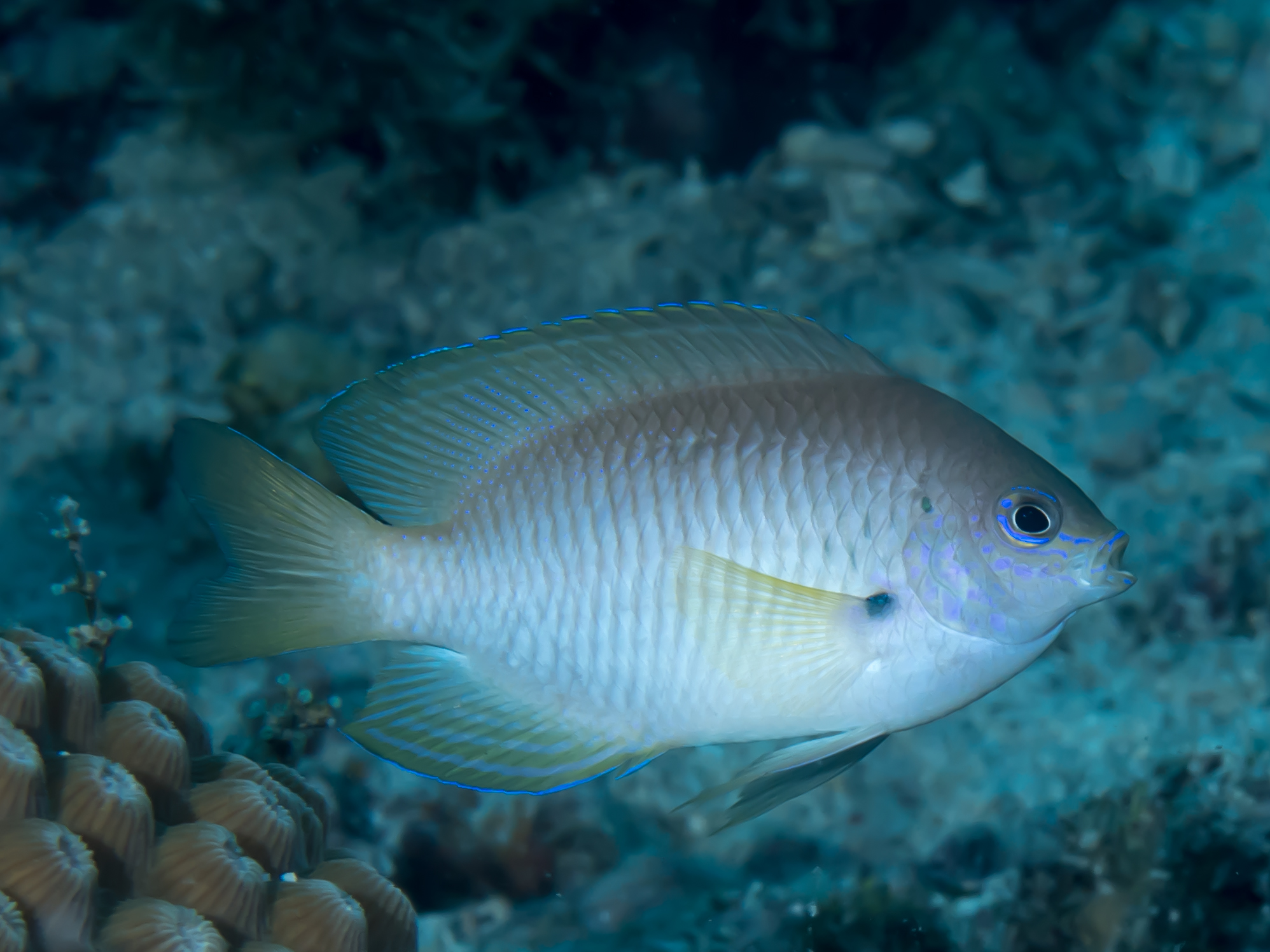
Donzella di Ambon
Pomacentrus amboinensis
La Donzella di Ambon è un piccolo pomacentride dell'Indo-Pacifico strettamente associato ai coralli ramificati e ai margini delle scogliere coralline poco profonde. È un onnivoro territoriale che bruca alghe e piccoli invertebrati, ed è molto più spesso osservato dai subacquei che cercato dai pescatori.

Anguilla americana
Anguilla rostrata
L'anguilla americana (Anguilla rostrata) è un'anguilla catadroma che trascorre la maggior parte della sua vita in acqua dolce, acqua salmastra e estuari costieri prima di migrare verso il Mar dei Sargassi per riprodursi. È un predatore notturno e schivo che spesso viene trascurato dai pescatori ma può essere molto efficace con l'esca.