南アジアの魚ガイド優先。
公開されている魚を実際の画像、識別ポイント、水の種類、および慎重な地元の状況とともに閲覧します。検索範囲ではなく、リージョンによって順序が変更されます。
選択した地域
コイ、ナマズ、ライギョ、マーシール、ティラピア、熱帯淡水のターゲットが優先されます。
地域フィルターで設定
1047 で公開されている魚のうち 12 を表示しています
88 の 13 ページ

Blue Catfish
Ictalurus furcatus
Blue catfish are large North American catfish that inhabit big rivers, reservoirs, and deep channels. They are opportunistic predators and scavengers, often feeding on shad, herring, and other fish, and are a popular target where populations are established.
Blue Catfish
Ictalurus furcatus
Blue Catfishはよく見られる魚種で、主にこの魚に適した水域や障害物の周辺に見られます。この項目では識別点、生息環境、釣りの注意点をまとめます。

Blue Chromis
Azurina cyanea
Blue Chromis is a small reef-dwelling damselfish commonly seen schooling above shallow coral and rocky reefs. It feeds on plankton in the water column and is not a target game fish in most areas.

Blue Rockfish
Sebastes mystinus
Blue Rockfish is a west coast rockfish that lives on rocky reefs and kelp beds, often in schools over high-relief structure. It feeds on small fishes and crustaceans and is commonly taken by anglers fishing near bottom structure.

Blue Runner
Caranx crysos
Blue runner is a fast, schooling jack found in warm coastal waters, often around reefs, wrecks, piers, and open bays. It is a hard-fighting but generally minor table fish; in many areas it is taken as bait or bycatch more often than targeted for sport.

Blue Weed-whiting
Haletta semifasciata
Blue Weed-whiting (Haletta semifasciata) is a poorly documented wrasse-like fish from southern Australian waters. It is associated with vegetated coastal habitats, and most biological and angling details are sparse in the literature compared with common game species.

Blue-and-yellow Fusilier
Caesio teres
The Blue-and-yellow Fusilier (Caeso teres) is a tropical reef fish recognized by its striking bicolor pattern—bright blue forward fading to vivid yellow on the rear body and tail. This schooling species inhabits coral reefs throughout the Indo-Pacific, feeding primarily on zooplankton in the water column. While not a major sport fish, it is pursued by light-tackle anglers in tropical regions and p
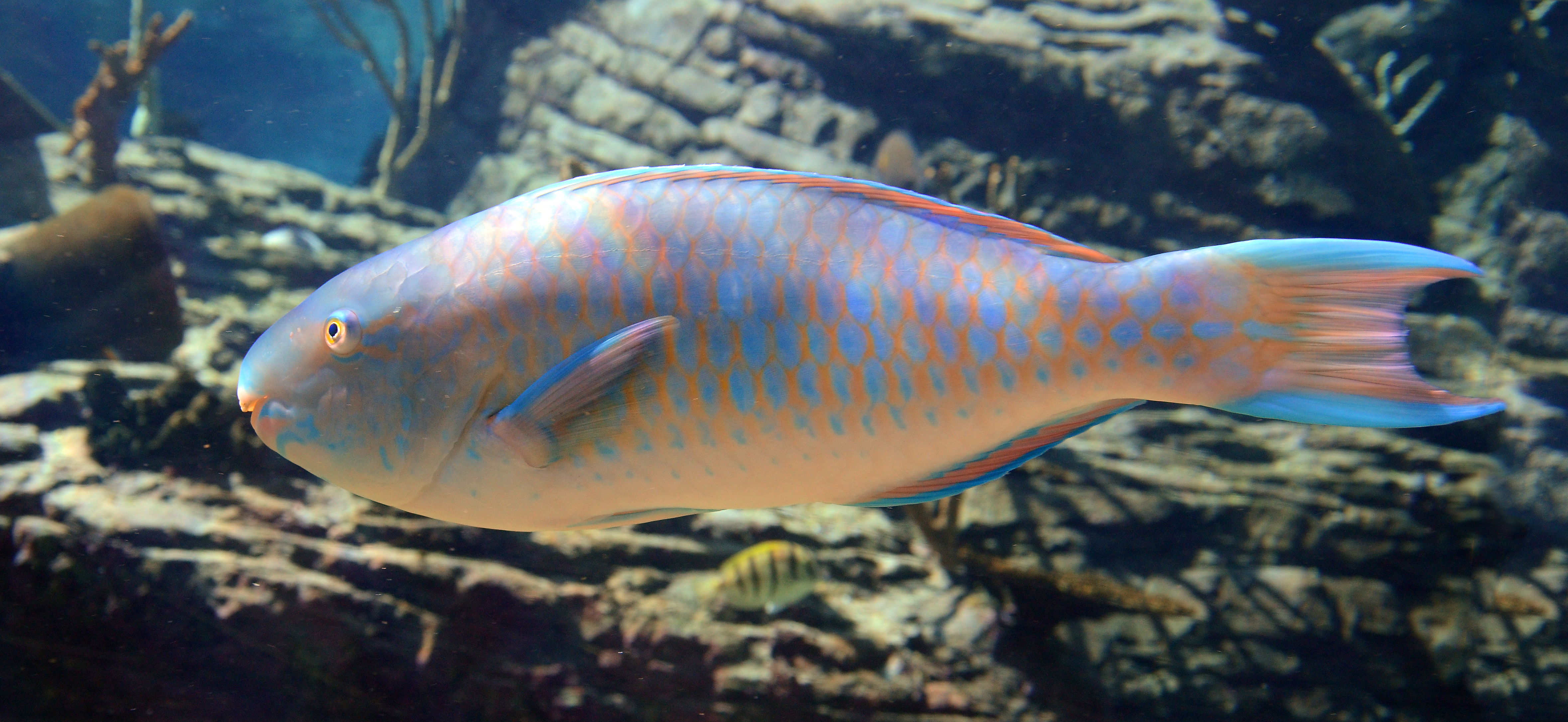
Blue-barred Parrotfish
Scarus ghobban
Blue-barred Parrotfish (Scarus ghobban) is a reef-associated tropical parrotfish with vivid blue bars and a beaklike mouth used to scrape algae from coral and rock. It is common on Indo-Pacific reefs and lagoon habitats, and large adults are often taken only incidentally rather than targeted.

Blue-green Chromis
Chromis viridis
Blue-green Chromis is a small Indo-Pacific damselfish common on outer reef slopes and lagoon drop-offs, usually schooling above branching corals. It is an omnivore that picks zooplankton from the water column and is popular in aquaria rather than as a sport fish.

Blue-headed Wrasse
Thalassoma amblycephalum
A small Indo-Pacific wrasse with a blue to blue-green head and a more yellowish body, usually seen over coral-rich reef slopes and lagoon habitats. It feeds on small benthic invertebrates and is a common, active reef species rather than a targeted game fish.

Blue-spotted Cornetfish
Fistularia commersonii
Blue-spotted Cornetfish is a long, pipe-like reef fish with a blue-spotted brown body and an extremely extended tail filament. It is a marine predator of shallow tropical reefs and lagoons; it is not a common target for anglers.

Blue-spotted Sunfish
Enneacanthus gloriosus
Blue-spotted Sunfish is a small, secretive centrarchid of quiet, heavily vegetated waters in the southeastern United States. It forages on tiny aquatic invertebrates and usually stays close to cover; reports outside its native range should be treated cautiously because occurrence records can include misidentifications or introductions.