Panduan ikan diutamakan untuk Oceania.
Semak imbas ikan yang diterbitkan dengan imej sebenar, titik pengenalan, jenis air dan konteks setempat yang berhati-hati. Wilayah mengubah susunan, bukan skop carian.
Wilayah terpilih
Barramundi, ikan kakap, trout, saudara ikan kod, ikan karang dan ikan sukan pantai diberi keutamaan.
Tetapkan mengikut penapis wilayah
Menunjukkan 12 daripada 1047 ikan yang diterbitkan
Halaman 35 daripada 88

Gray Snapper
Lutjanus griseus
Gray snapper (Lutjanus griseus) is a coastal reef and mangrove snapper found in the western Atlantic, from North Carolina and Bermuda through the Gulf of Mexico, Caribbean, and Brazil. It is a wary, hard-fighting predator that feeds mostly at dawn, dusk, and night.

Graysby
Cephalopholis cruentata
The graysby is a small western Atlantic grouper found on reefs and rocky bottom from Florida and the Bahamas through the Caribbean to Brazil. It is a ambush predator that stays close to cover and is most active at dawn, dusk, and at night.
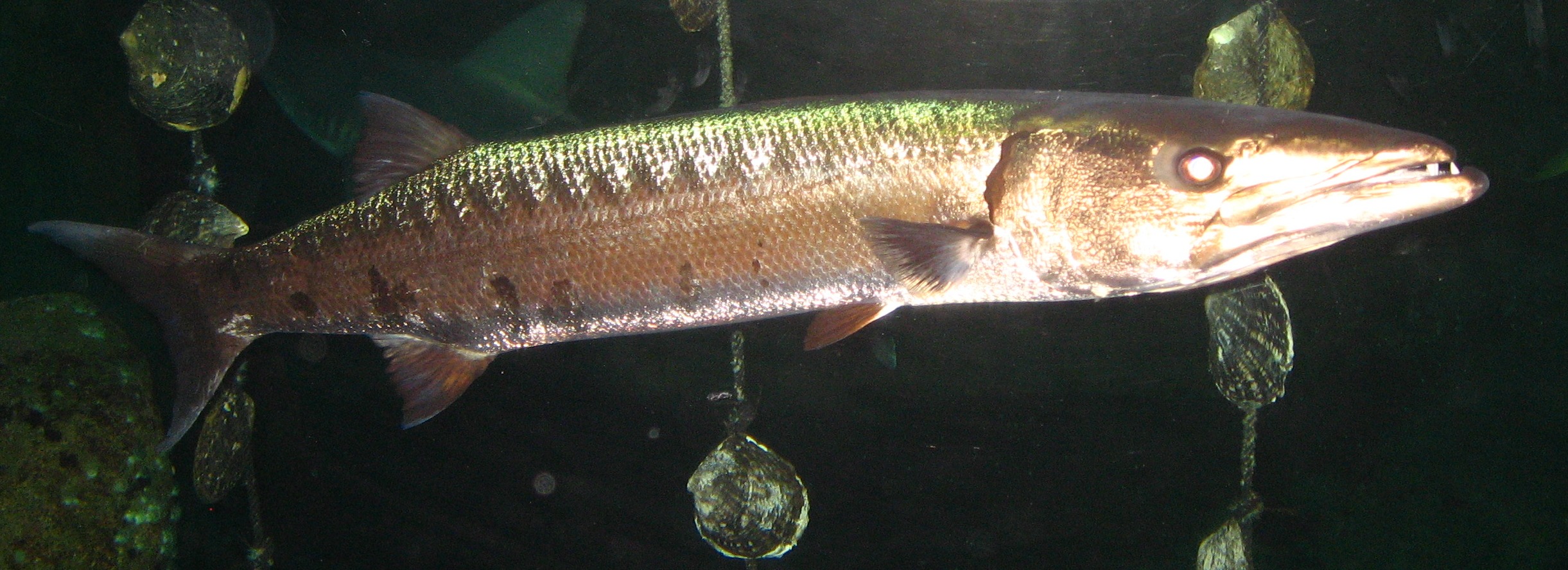
Great Barracuda
Sphyraena barracuda
Great barracuda is a large, fast coastal predator found in tropical and subtropical seas worldwide. It patrols reefs, drop-offs, channels, and mangrove edges, ambushing fish with explosive strikes.

Great Blue-spotted Mudskipper
Boleophthalmus pectinirostris
Great Blue-spotted Mudskipper (Boleophthalmus pectinirostris) is a mudskipper of tropical Indo-West Pacific tidal flats and mangrove edges. It spends much of its time out of water on exposed mud, where it feeds and defends burrows. Angling value is limited and it is not a common target species.
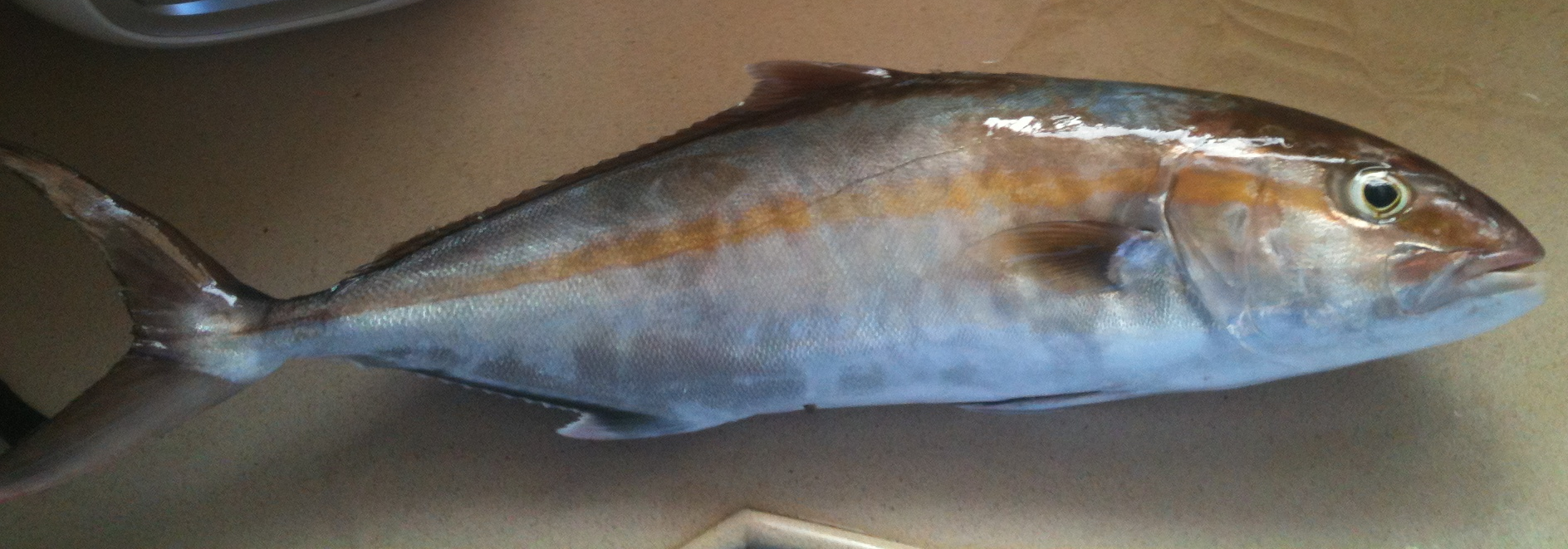
Greater Amberjack
Seriola dumerili
Greater Amberjack ialah spesies ikan yang lazim yang kerap ditemui di perairan sesuai dan kawasan berstruktur untuk spesies ini. Panduan ini merumuskan ciri, habitat dan nota memancing.
Greater Amberjack
Seriola dumerili
Greater amberjack (Seriola dumerili) is a fast, powerful pelagic jack found around reefs, wrecks, and offshore structure in warm and temperate seas. It feeds aggressively on fish and squid, and is prized by anglers for hard, sustained runs.

Greater Weever
Trachinus draco
The greater weever is a venomous coastal fish of the eastern Atlantic and Mediterranean, often buried in sand with only eyes and dorsal spines exposed. It is not a major angling target, but can be caught accidentally by shore anglers and is best handled with extreme care.

Green Damselfish
Amblyglyphidodon indicus
Green Damselfish (Amblyglyphidodon indicus) is a small Indo-Pacific reef fish that lives in dense coral growth and is usually seen in loose groups. It is not a major angling target; most encounters are by snorkelers or divers rather than rod-and-reel anglers.

Green Moray
Gymnothorax funebris
Green Moray (`Gymnothorax funebris`) is a large Atlantic moray eel found on reefs and rocky bottoms. Despite its name it is usually dark olive-brown to greenish and spends much of the day tucked in crevices, hunting at night.

Green Sunfish
Lepomis cyanellus
Green Sunfish are hardy, aggressive sunfish native to much of eastern and central North America and widely introduced elsewhere. They favor warm, quiet water and readily take small prey and many baits, often around cover in ponds, creeks, and backwaters.

Green Swordtail
Xiphophorus hellerii
Green swordtail is a livebearing poeciliid native to streams and rivers of Mexico and Central America, now widely introduced in warm waters worldwide. Males are famous for the elongated lower tail-fin ray (“sword”); females are larger and lack the sword.

Greenside Darter
Etheostoma blennioides
Greenside Darter is a small North American freshwater perchlet that lives on clean, cool streams with moderate current and rocky bottoms. It forages along the streambed for aquatic insect larvae and other tiny invertebrates.