Common Galaxias
Galaxias maculatus
Common Galaxias (Galaxias maculatus) is a small, slender, largely diadromous fish found in coastal and inland waters across the Southern Hemisphere. It often forms dense schools in estuaries, lagoons, lower rivers, and lakes, with juveniles and adults moving between fresh and saltwater.
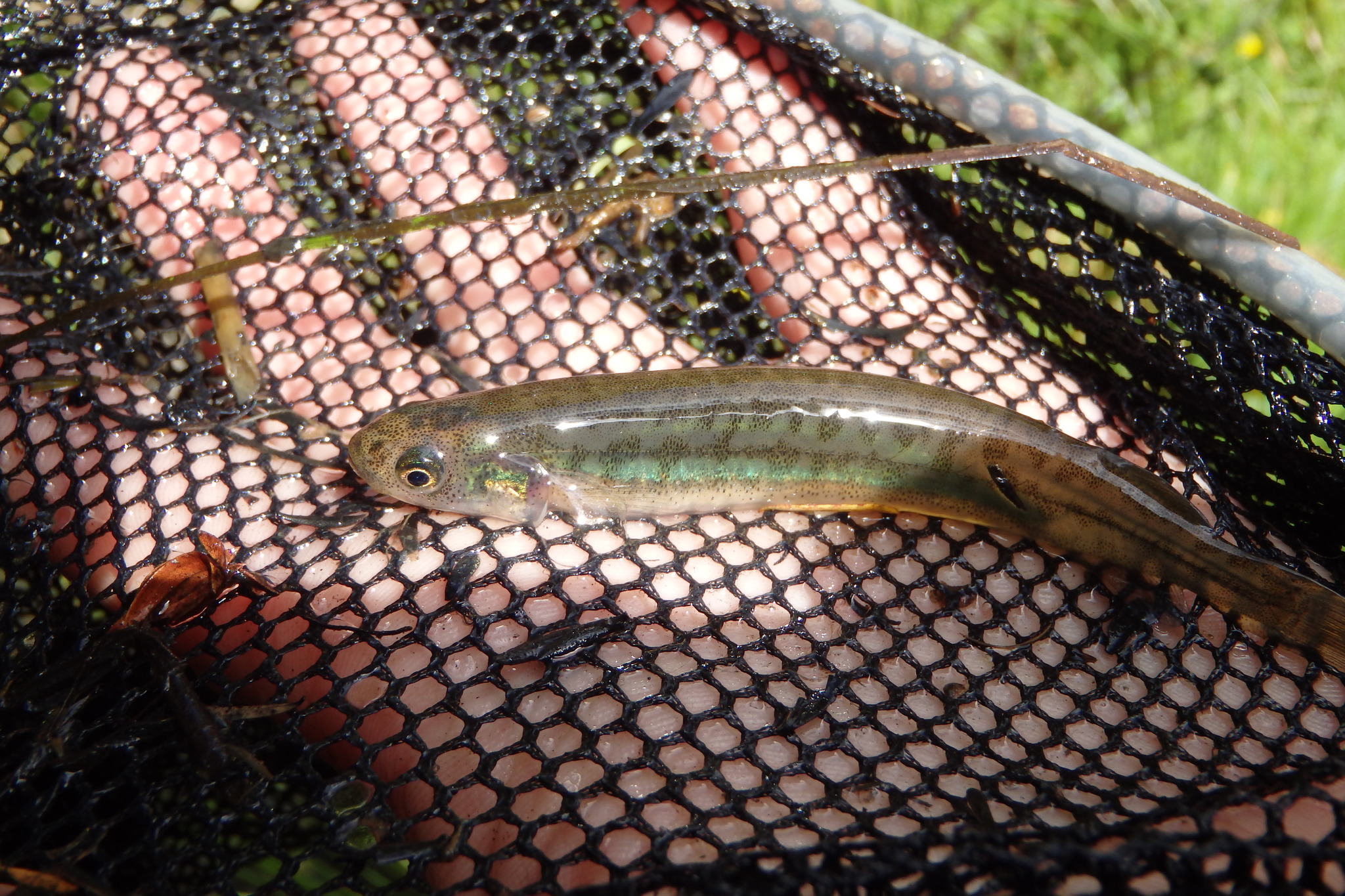

Pontos de identificação
- Slender, almost translucent body with a silvery sheen and small dark spotting
- Single dorsal fin placed far back on the body, typical of galaxiids
- No scales and no adipose fin; tail is forked to slightly rounded
Habitat
Shallow coastal lagoons, estuaries, lower river reaches, lake margins, and tidal streams; juveniles commonly enter freshwater, while spawning often occurs on wet banks or flooded riparian vegetation near the waterline.
Notas de isca
Tiny baits work best: worm slivers, small shrimp/prawn pieces, maggots where legal, and very small soft plastics or fly patterns that imitate larvae and insects. In estuaries, a lightly weighted presentation near the surface or midwater is often more effective than heavy bottom rigs.
Comportamento
A schooling, opportunistic feeder that takes drifting insects, crustaceans, zooplankton, and small aquatic prey. It is strongly tied to tidal and seasonal movement, with migrations timed to access nursery and spawning habitats.
Cuidado
Usually not a hazardous species to handle, but local regulations may protect spawning runs or restrict harvest in some areas. Check regional rules before keeping fish, especially in estuaries and wetland systems where populations can be sensitive.
Notas de pesca
Use ultralight tackle, small hooks, and fine line. Drift baits or tiny lures with minimal weight in current seams, creek mouths, and shallow margins; fly anglers do well with small nymphs, wets, and baitfish or insect imitations. It is not a major sportfish in most regions.