Corkwing Wrasse
Symphodus melops
Corkwing Wrasse is a small, colorful wrasse of shallow rocky coasts and kelp beds in the northeast Atlantic and adjacent seas. Males become strikingly patterned in breeding season and guard nests; it is rarely targeted as a sport fish.
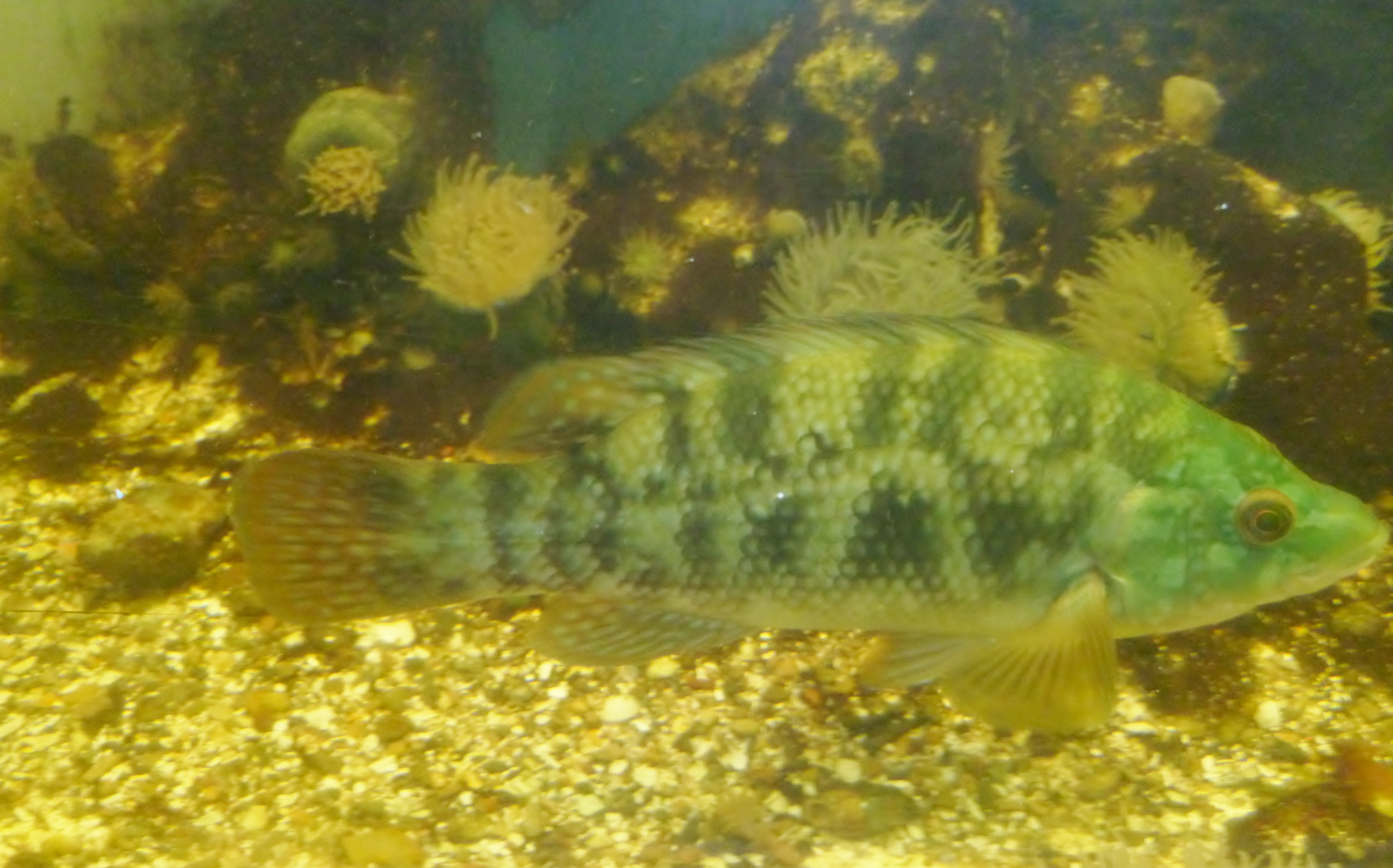

Точки идентификации
- Olive-brown to green body with fine blue, pink, or orange speckling
- Small to medium wrasse with a rounded tail and thick-lipped mouth
- Male in breeding season shows vivid orange-red facial markings and more intense blue-green patterning
среда обитания
Shallow inshore rocky reefs, boulder fields, eelgrass and kelp edges, and tide-swept harbors; usually close to cover in very shallow water.
Заметки о приманке
Small ragworm, shrimp, crab scraps, mussel, or pieces of clam work best. Tiny soft plastics, bead-head nymphs, and small baitfish imitations can take fish when they are actively feeding.
Поведение
Diurnal and cover-oriented, picking small crustaceans, mollusks, worms, and eggs from rocks and weed. Males defend nests in summer and fish often dart into crevices when disturbed.
Осторожность
Spiny dorsal rays can prick fingers, and it is often taken only in small sizes; check local size and bag rules, as wrasse regulations can be strict in some areas.
Рыболовные заметки
Fish light tackle with small hooks and minimal terminal gear around rocks, weed edges, and tide rips. Present bait close to cover on a natural drift or slow retrieve; they usually bite best on moving water.