Longsnout Seahorse
Hippocampus reidi
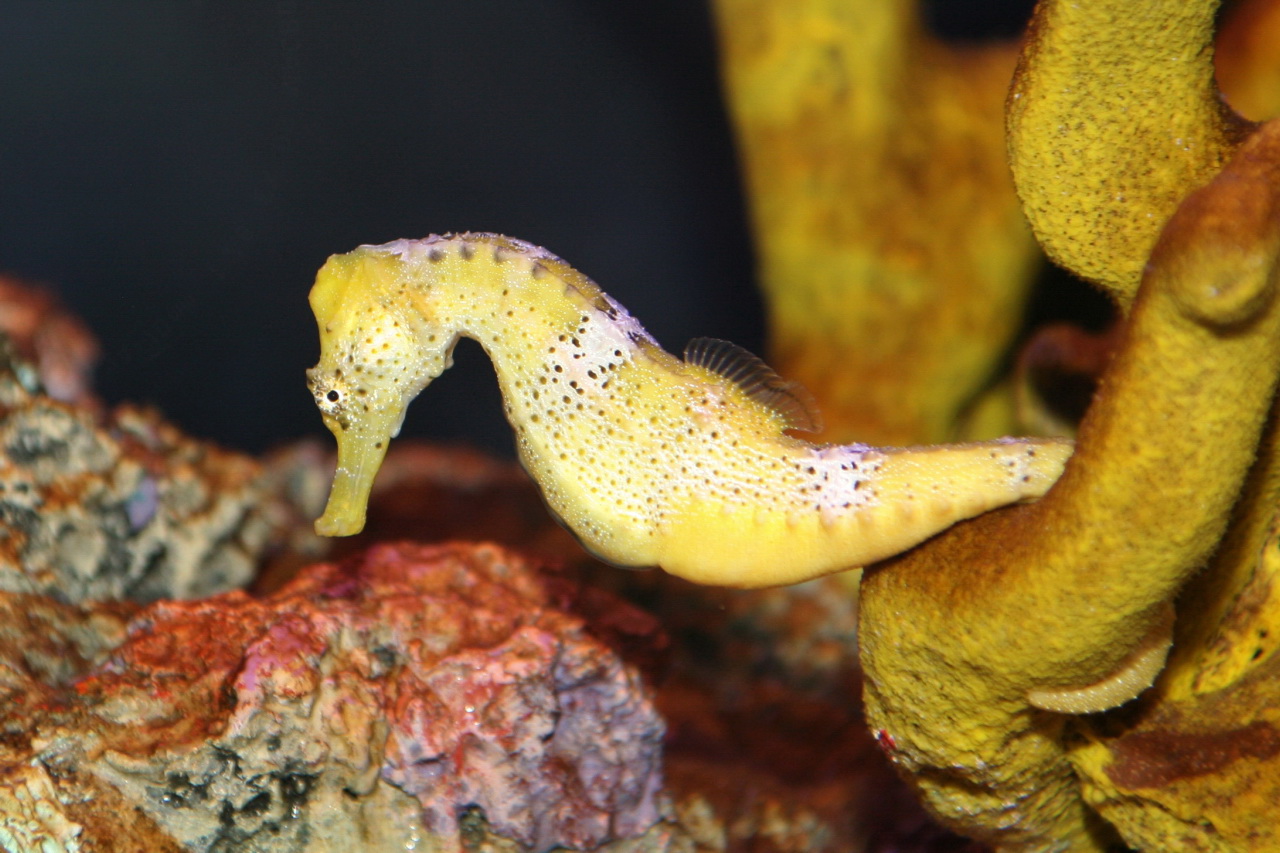
The Longsnout Seahorse (Hippocampus reidi) is a slender western Atlantic seahorse with a very long snout and prehensile tail. It lives among seagrass, macroalgae, mangroves, and floating debris, and is usually observed clinging rather than actively swimming.
.jpg)
Identifikationspunkter
- Very long, narrow snout compared with head size
- Slender body with a tall coronet and segmented ring-like armor
- Prehensile tail used to grasp seagrass or algae
Habitat
Shallow tropical to subtropical coastal waters, especially seagrass beds, Sargassum, mangrove roots, and sheltered reefs or debris lines; commonly in low-flow areas where it can anchor with its tail.
Agn noter
Not a target sport fish and should generally not be hooked. If observed in the wild for photography, use no bait; if incidentally encountered, avoid live baiting and handle as little as possible.
Opførsel
Ambush feeder that eats tiny crustaceans and other planktonic prey by suction through its long snout. It is a weak swimmer, spends much of its time stationary, and males brood the embryos in a pouch.
Forsigtighed
Often vulnerable to collection and habitat loss; check local protections, as seahorses may be regulated or protected in some areas. Handle carefully because the tail and skin are delicate, and avoid removing from water.
Fiskenoter
Best treated as a release-only observation species. If accidentally caught, keep it submerged, support the body and tail gently, and release immediately; do not use gaffs or grip tools.